Balancing Independence and Support in Senior Care
The Delicate Balance of Care
For many families, helping an aging loved one means finding the right balance between offering support and preserving independence. It’s a deeply emotional process — one that requires empathy, patience, and understanding. Seniors often value their autonomy as a part of their identity, and losing that sense of control can feel like losing dignity.
At Serenica, we believe that quality care isn’t just about providing help — it’s about empowering seniors to continue living with purpose, freedom, and pride.
1. Why Independence Matters for Seniors
Independence isn’t just a preference; it’s a key part of emotional and physical well-being. When seniors are encouraged to stay involved in decisions about their daily lives, they feel more confident and connected.
Research has shown that maintaining a sense of control helps reduce anxiety, improve cognitive function, and increase life satisfaction. Even small tasks — like choosing what to wear, helping with meal prep, or managing personal routines — reinforce dignity and self-worth.
Care that removes all responsibility can unintentionally lead to frustration or withdrawal. The goal is not to take over, but to gently assist in ways that protect safety while preserving identity.
2. Empowerment Through Choice
One of the simplest ways to promote independence is by giving seniors choices. Whether it’s selecting a meal, setting a schedule, or choosing how to spend the afternoon, these small decisions remind them that their voice matters.
At Serenica, caregivers are trained to offer support without being intrusive. We encourage participation — “Would you like to walk before lunch or after?” instead of “It’s time for your walk.”
This subtle shift gives seniors agency while maintaining structure and consistency.
When seniors feel empowered, they’re more likely to engage actively in their care — and that engagement leads to better emotional health and cooperation overall.
3. Creating a Safe, Supportive Environment
Safety is always a top priority, but it doesn’t have to come at the cost of freedom. A well-designed home environment can make independence possible without constant supervision.
Some practical adjustments include:
- Installing grab bars in bathrooms and near stairs.
- Ensuring rooms have adequate lighting, especially at night.
- Rearranging furniture to allow for easy movement and reduce fall risk.
- Using technology such as motion sensors or medication reminders.
Serenica caregivers often perform home safety assessments to identify potential hazards and recommend simple modifications. When the space feels both secure and familiar, seniors gain the confidence to move independently.
4. Encouraging Active Participation
Independence flourishes when seniors stay mentally and physically active. Encourage your loved one to continue hobbies, social interactions, and light exercise suited to their ability. Activities such as gardening, painting, puzzles, or short walks provide more than stimulation — they build purpose.
Caregivers can play an important role by participating together, fostering connection and motivation. For example, reading aloud together or preparing a favorite family recipe can turn care into companionship.
At Serenica, we see these shared moments as the heart of caregiving. They help transform routine assistance into meaningful connection.
5. Respecting Emotional Boundaries
True independence is not only physical — it’s also emotional. Seniors may feel embarrassed about needing help with personal tasks like bathing or dressing. Handling these moments with sensitivity and respect is crucial.
Caregivers should always communicate before acting: “May I help you with this?” rather than assuming consent. Privacy, choice of clothing, and control over the order of activities all matter.
At Serenica, caregivers are trained to treat every client as a partner, not a patient. This human-first approach builds trust and eases the emotional strain that often accompanies aging.
6. Balancing Family Involvement
Families naturally want to help, but too much involvement can sometimes lead to dependence. Striking the right balance means knowing when to step back and let your loved one do things for themselves.
This doesn’t mean being uninvolved — it means offering encouragement, celebrating progress, and providing emotional support while allowing space for independence.
Care professionals like those at Serenica can guide families through this process, ensuring everyone feels included while prioritizing the senior’s dignity and confidence.
7. The Role of Compassionate Caregivers
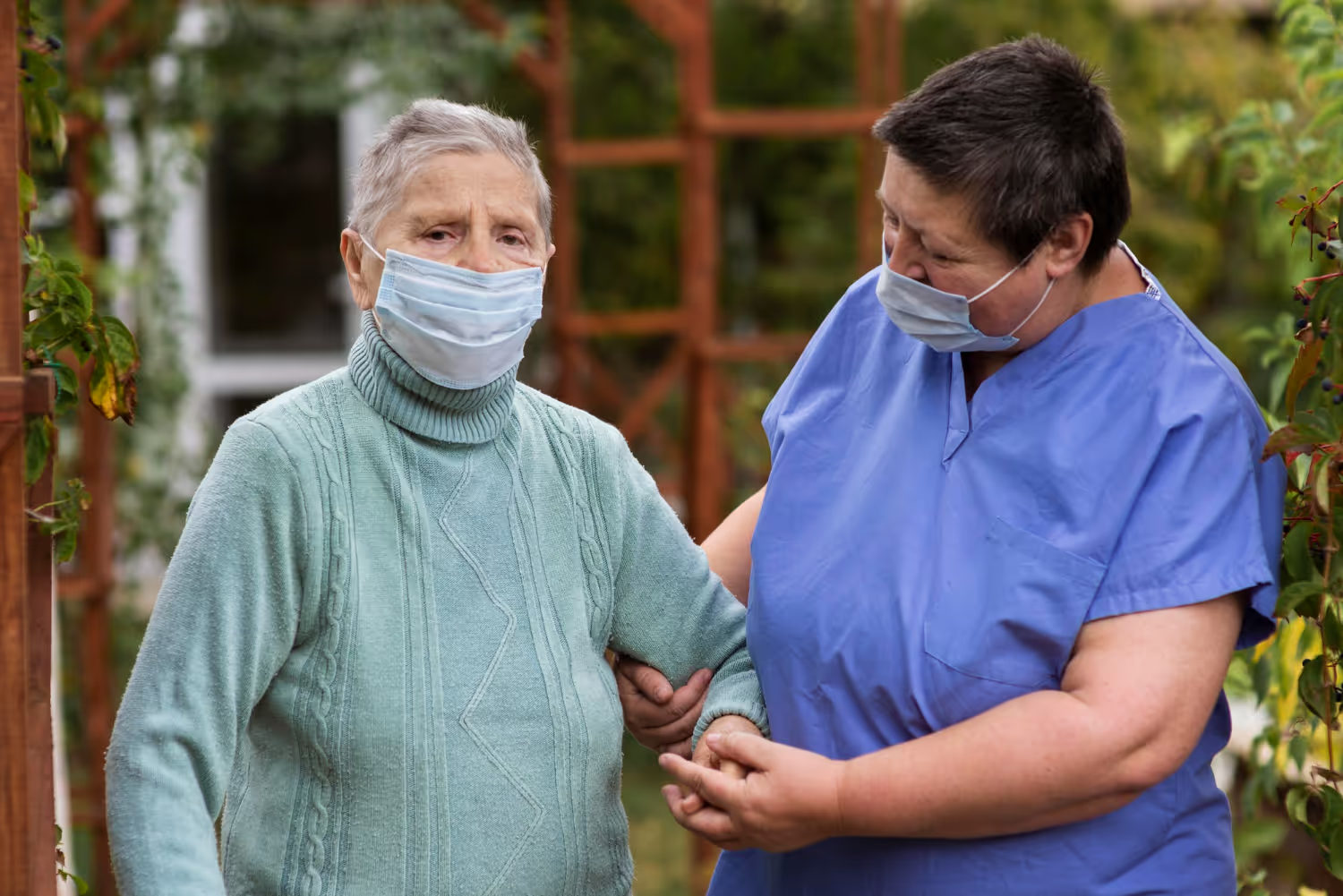
The best caregivers understand that independence is a gift, not a challenge. They walk beside seniors — not ahead of them — offering help only when needed.
At Serenica, our caregivers receive specialized training to recognize subtle signs of frustration or fatigue and adjust their approach accordingly. This attentiveness allows seniors to thrive at their own pace while feeling secure and valued.
Every act of care is a collaboration: a dance between assistance and autonomy.
Empowerment Is the Heart of Care
Balancing independence and support isn’t easy — it takes observation, flexibility, and compassion. But when done right, it restores joy and dignity to everyday life.
At Serenica, we believe that helping seniors doesn’t mean taking control — it means giving back the confidence to live freely. Through thoughtful care, safe environments, and genuine respect, we help families rediscover what home truly means: a place of comfort, independence, and belonging.